Hint: They May Not Exist Yet!
Here’s an interesting question to ask a fifth grader: What do you want to be when you grow up?
They might say doctor, teacher, veterinarian, firefighter, professional athlete or depending on the fifth grader, social media influencer.
But there’s another possibility. The job that student eventually chooses may not exist yet. That might sound strange until you consider how quickly technology has changed the workplace.
A generation ago, there weren’t many app developers, social media managers, drone pilots, cloud computing engineers or cybersecurity specialists. Today, entire industries employ them and the energy industry may be in a similar period of transformation. Today’s students could eventually find themselves working in careers we’re only beginning to imagine.
An Energy System That’s Changing
For much of modern history, our energy system was relatively straightforward. Electricity was generated at power plants, moved across transmission lines, and distributed to homes and businesses. That system still exists of course, but we’re adding a lot to it.
Solar panels can turn homes, businesses, even open fields into electricity producers. Wind farms are supplying power to the grid. Electric vehicles are changing transportation. Technology is creating new ways to store energy. Smart meters provide increasingly detailed information about energy consumption.
Meanwhile, utilities are working hard to update an enormous (and aging) electric grid while maintaining the reliability consumers expect every time they flip a switch. That’s creating some interesting challenges, but it’s also creating new opportunities.
Somebody Has to Build All of This
Think about an electric vehicle for a moment. We tend to focus on the vehicle itself (the auto industry has done just that). But what about the charging stations?
Someone has to design them. Someone has to manufacture them. Someone has to determine where they should be installed. Electricians have to connect them. Software engineers have to create systems to operate them. Utilities have to understand what happens when hundreds, or thousands of vehicles in a community begin charging. Engineers have to determine how that demand affects the grid. Cybersecurity specialists have to protect the systems connecting everything together. And that’s just one emerging technology!
Now add solar power, wind energy, advanced nuclear technologies, energy storage, smart buildings, microgrids, artificial intelligence and technologies that haven’t been invented yet. Suddenly, “working in energy” means a lot more than working at a power plant.
Not Every Energy Career Requires a Lab Coat
There’s another misconception worth challenging, that all new energy careers will be in the research and development (R&D) departments only. Energy careers won’t be limited to just scientists and engineers. However, no matter the job function, an understanding of technology will be necessary.
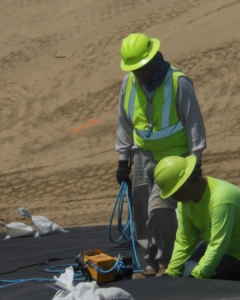
The energy industry will need: accountants, electricians, technicians, construction workers, data analysts, software developers, sales/marketing professionals, communications specialists, project managers, investment coordinators, and educators. All will benefit from, or more likely require, some form of STEM education in their background.
It will also need people who understand public policy, people who understand communities, people who can explain complicated ideas in ways the rest of us can understand. And yes, it will still need scientists and engineers…lots of them!
The point is that energy touches nearly every part of the economy. As our energy system becomes more sophisticated, the number and variety of careers connected to it are likely to grow as well.
Preparing Students for Questions We Haven’t Asked Yet
How do we prepare a student for a career that might not exist for another 10 or 20 years?
We don’t necessarily teach them the job, because we can’t! We teach them how to think. How to ask questions. How to experiment and analyze information. And perhaps most importantly, how to remain curious.
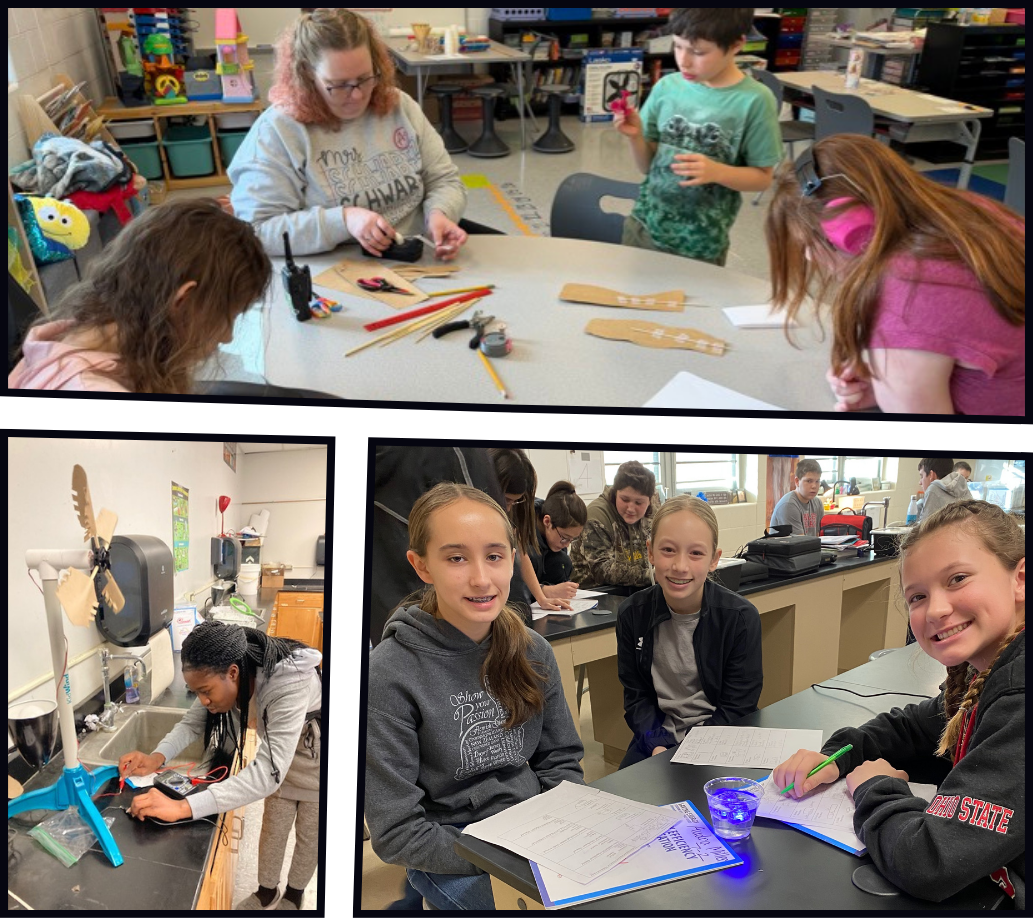
That’s where hands-on STEM education becomes incredibly valuable. When students experiment with circuits, measure energy consumption, explore renewable technologies or investigate ways to make a building more efficient, they’re doing more than learning about energy – they’re practicing problem solving!
They’re discovering that science isn’t simply a collection of facts printed in a textbook. It’s a way of understanding the world around them.
Ohio’s Future Energy Workforce Is Sitting in Class Today
At the Ohio Energy Project, energy education begins with students and teachers, but our impact can extend much further.
The student experimenting with electricity today could someday help design Ohio’s electric grid. Another might develop a better battery. Another could become an electrician installing technologies that haven’t been invented yet. Someone else might create the software that makes an entire city more energy efficient. And somewhere in an Ohio classroom right now could be a student who will invent a new method of generating abundant, clean, and affordable energy for all.
We can’t predict exactly what the energy jobs of 2040 or 2050 will look like, and that’s what makes this so exciting.
We don’t have to know every job that will exist. We simply have to make sure today’s students are curious enough, and prepared properly to invent that future when it gets here.
-John Ely
OEP Board Vice President